THE CHALET OF A SINGULAR COLLECTOR
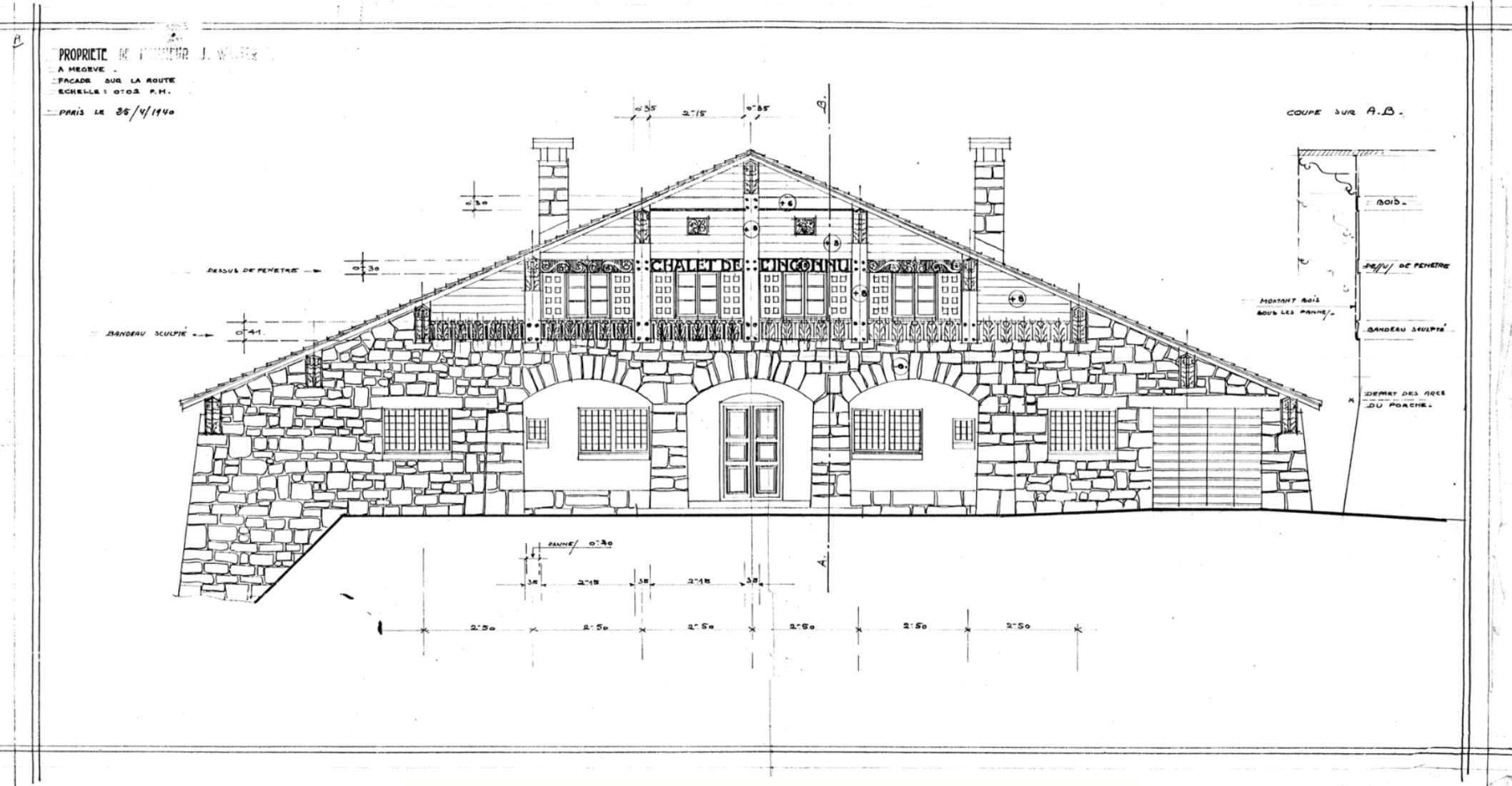
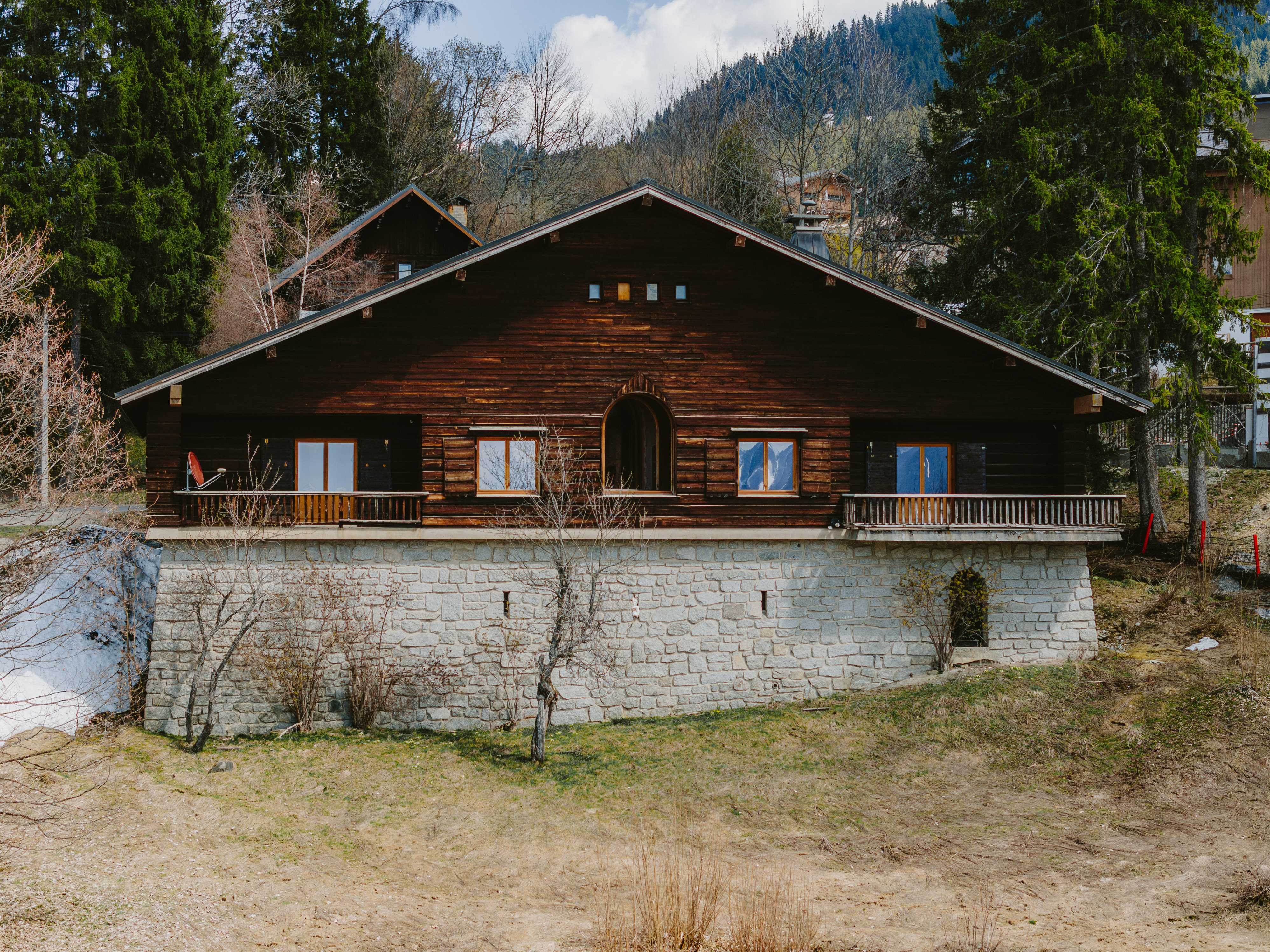
At the heart of the Mont d’Arbois estate, the Chalet de l’Inconnu embodies a singular vision of alpine living.
Designed by Henry Jacques Le Même and Jean Walter in the late 1930s for Domenica Walter, a great collector and heir to one of the most important modern art collections now housed at the Musée de l’Orangerie (Paris), it was conceived as an intimate retreat, a place to live surrounded by art.
A chalet imagined as a work in its own right, at the intersection of architecture and culture. A rare residence, where a collector’s spirit meets the timeless beauty of Megève.


own A PIECE OF ART
Domaine du Mont d'Arbois, Megève
Building permit fully secured
650m2 - Requiring full renovation
Price upon request


The Alpine Retreat of a Great Collector
Domenica Walter was one of the most singular figures of the 20th-century art world. The wife of the art dealer Paul Guillaume, she inherited upon his death an extraordinary collection bringing together some of the defining names of modern painting.
Today known as the "Jean Walter and Paul Guillaume Collection", this ensemble comprises nearly 150 major works, spanning Impressionism to the avant-garde: Renoir, Cézanne, Monet, Sisley, as well as Picasso, Matisse, Derain, Modigliani, and Soutine. Acquired by the French State in the late 1950s, the collection is housed at the Musée de l’Orangerie, where it has been on public display since its inauguration in 1966 by Minister of Culture André Malraux.
In Megève, Domenica Walter envisioned a residence echoing her Parisian interiors. The Chalet de l’Inconnu was conceived as a private retreat, designed to house part of her furniture and art objects, within the warm and layered atmosphere of a grand alpine home.
An Architect’s House for a Life Surrounded by Art
To bring this vision to life, Domenica Walter and her husband Jean Walter turned in 1939 to their friend Henry Jacques Le Même, a leading figure of alpine architecture, pioneer of the “skier’s chalet,” and the architect who would define the identity of Megève.
The Chalet de l’Inconnu emerged from a unique collaboration, a dialogue between two architectural voices: Jean Walter, an established Parisian architect, and Le Même, whose work shaped the language of the Alps.
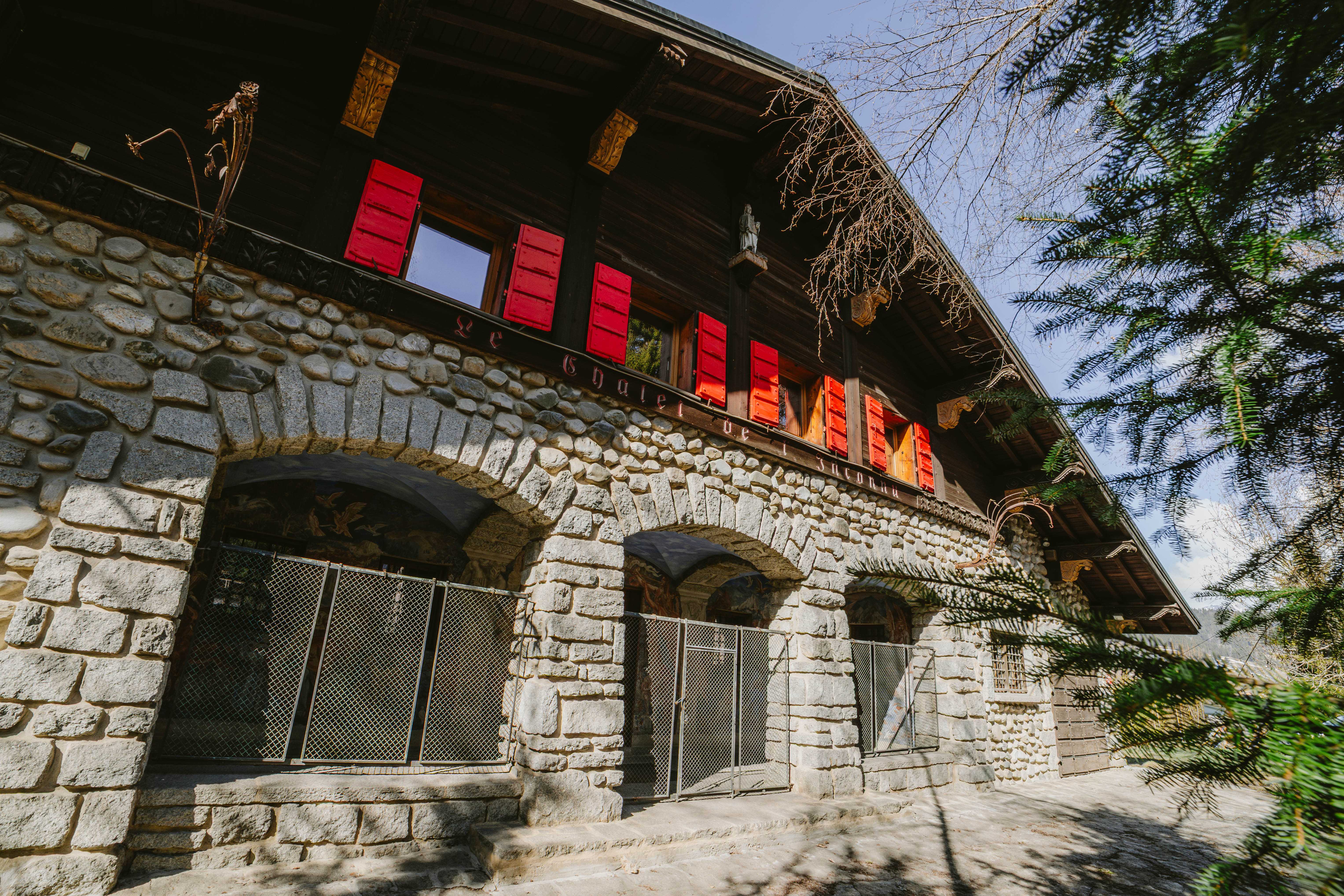
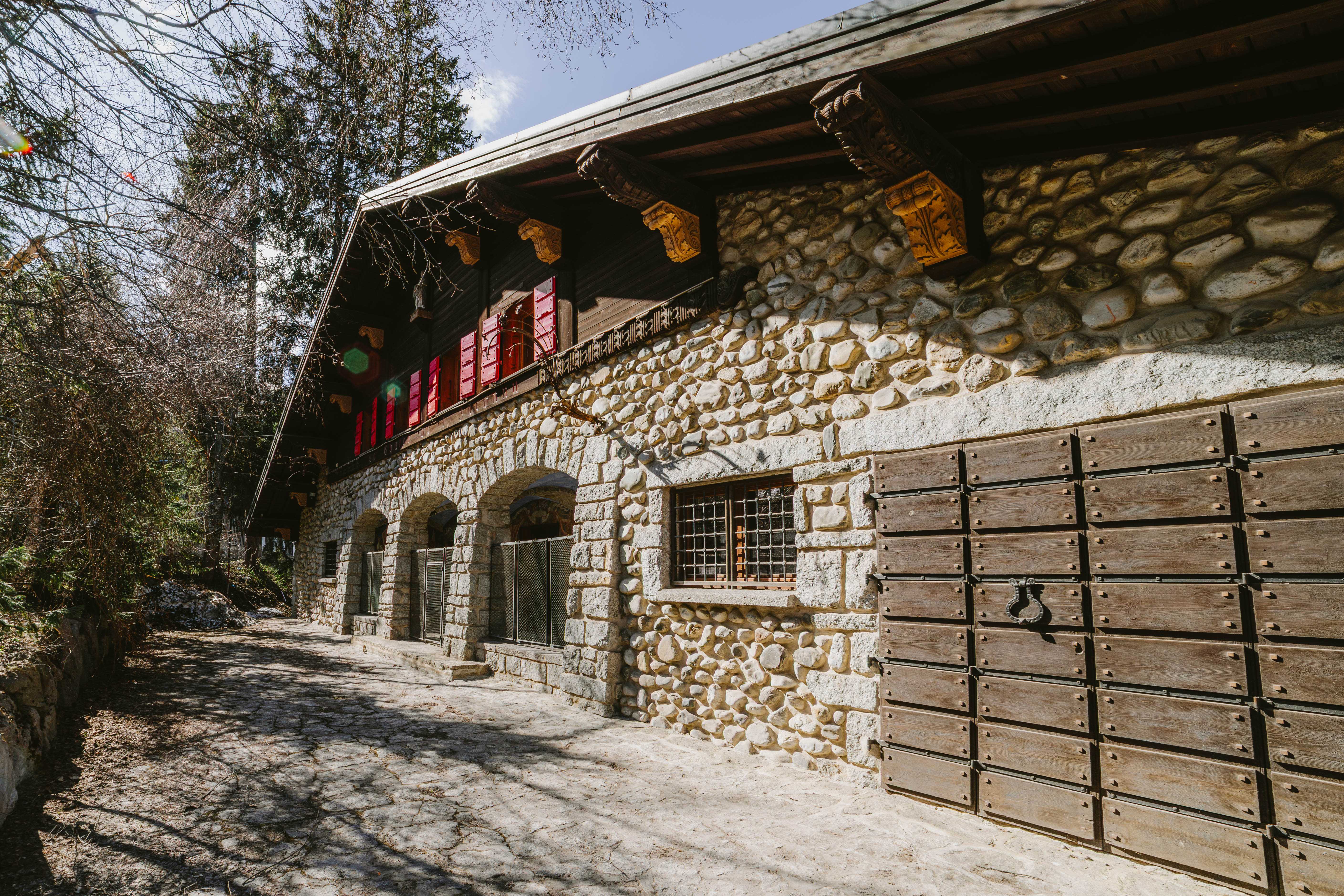
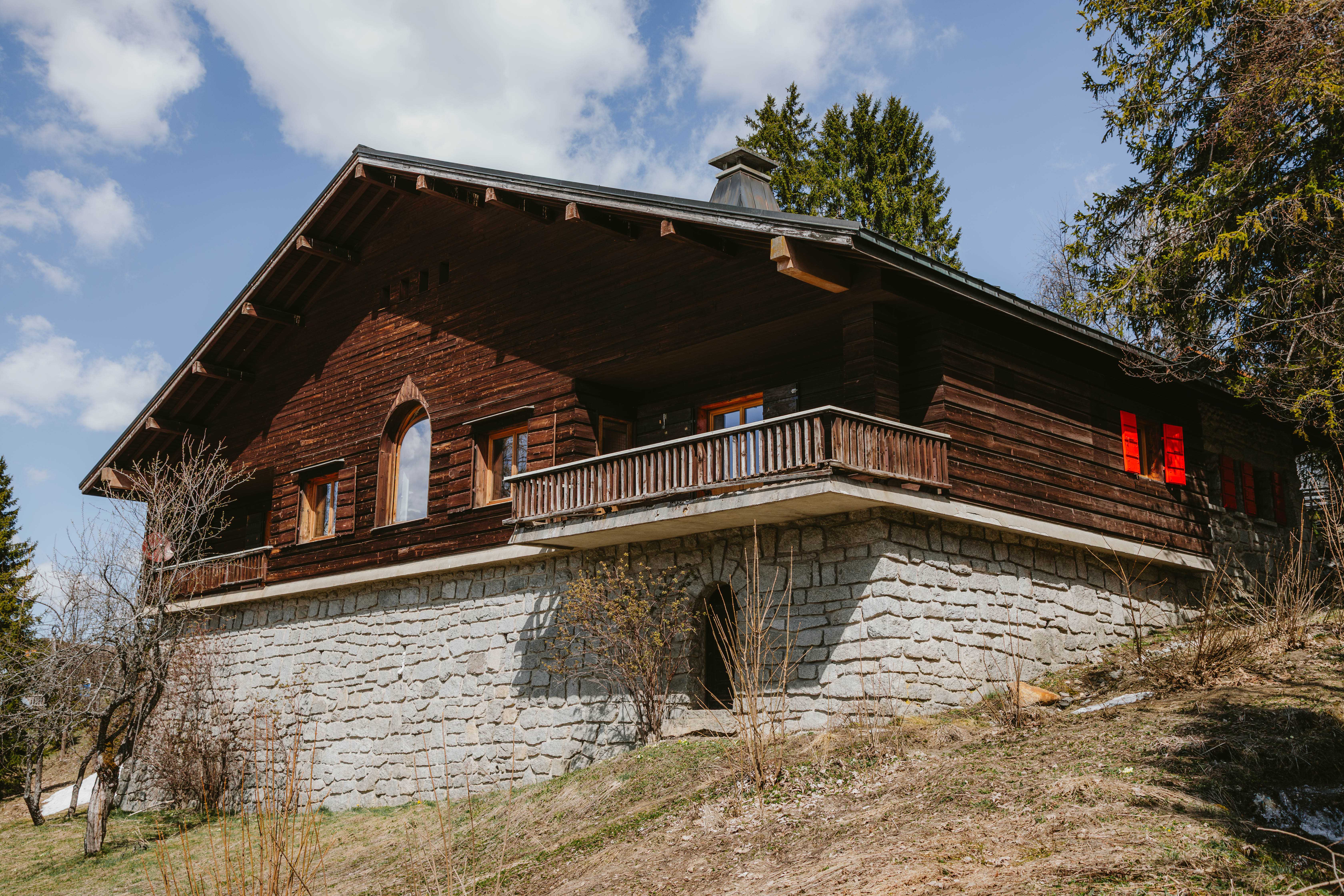
Set upon a powerful base of Combloux granite, the chalet presents a deliberately restrained, almost rustic exterior, true to the spirit of traditional alpine dwellings. Inside, however, a very different richness unfolds: monumental frescoes by Albert Decaris, a vast vaulted salon opening onto the valley, and antique wood paneling create a theatrical yet deeply refined setting, conceived as a true mise-en-scène.
Megève, Cradle of a Refined Alpine Architecture
In the 1930s, under the influence of Henry Jacques Le Même, who quite literally shaped its architectural identity, Megève evolved from a rural village into one of the most elegant destinations in the Alps.
The Chalet de l’Inconnu stands as one of the most accomplished expressions of this golden age: a residence conceived from the outset as a house of art in the mountains, at the heart of the Mont d’Arbois estate.
Today, the chalet enters a new chapter. Within this preserved setting, it offers a rare opportunity to reimagine a contemporary collector’s residence, in continuity with a place that was, from its inception, designed for a life surrounded by art.

(1)

(FIG. 1)
Paul Guillaume and his friends
(FIG. 2)
Archive document
(2)

(FIG. 3)
Domenica Walter
(3)
Madame Paul Guillaume au grand chapeau, Portrait, André Derain, 1928-29, Musée de l'Orangerie

(4)
IN PICTURES
.jpg)
.jpg)
.jpg)
.jpg)
.jpg)
.jpg)
.jpg)
.jpg)
.jpg)
.jpg)
.jpg)
.jpg)
.jpg)
.jpg)
.jpg)
Domenica Walter, A Life Lived Through Art
In 1920s Paris, the couple moved among artists, writers, and collectors. Together, they built an exceptional collection. Their gallery on rue La Boétie exhibited the leading figures of modern art, Picasso, Matisse, Derain, Cézanne, Renoir, while their private collection grew to include major works of Impressionism and modern painting. Their residences became true settings for art, already regarded as among the most remarkable collections in Europe.
Following Paul Guillaume’s untimely death in 1934, Domenica inherited this extraordinary ensemble. She continued its story, reshaping and enriching it according to her own vision. Remarried to architect and industrialist Jean Walter, she led a cosmopolitan life between Paris, the French Riviera, and the Alps, always in close proximity to art.
It was in Megève, in 1939, that Jean Walter and Henry Jacques Le Même designed the Chalet de l’Inconnu for her, a retreat conceived for a woman who lived surrounded by art.
Faithful to the vision she had shared with her first husband, Domenica Walter spent decades ensuring the collection would one day be accessible to the public. Acquired by the French State in the late 1950s, it was installed at the Musée de l’Orangerie, where nearly 150 masterpieces, now known as the Jean Walter and Paul Guillaume Collection, form one of the most significant ensembles of modern painting held in France.
History of the Walter-Guillaume Collection
.jpg)